Becoming the world's leading health appliance brand, bringing "professional physiotherapy home," and making a healthy life easily accessible.
How Light Therapy Improves Seasonal Affective Disorder (SAD): Mechanisms & Practical Guide
Discover how light therapy helps relieve Seasonal Affective Disorder (SAD). Learn the science behind SAD, how light therapy works, and how to use a SAD lamp effectively.
PHOTOTHERAPY APPLICATION SCENARIOS EDITION
YEEQO
11/27/20251 min read
1. What Is Seasonal Affective Disorder (SAD)?
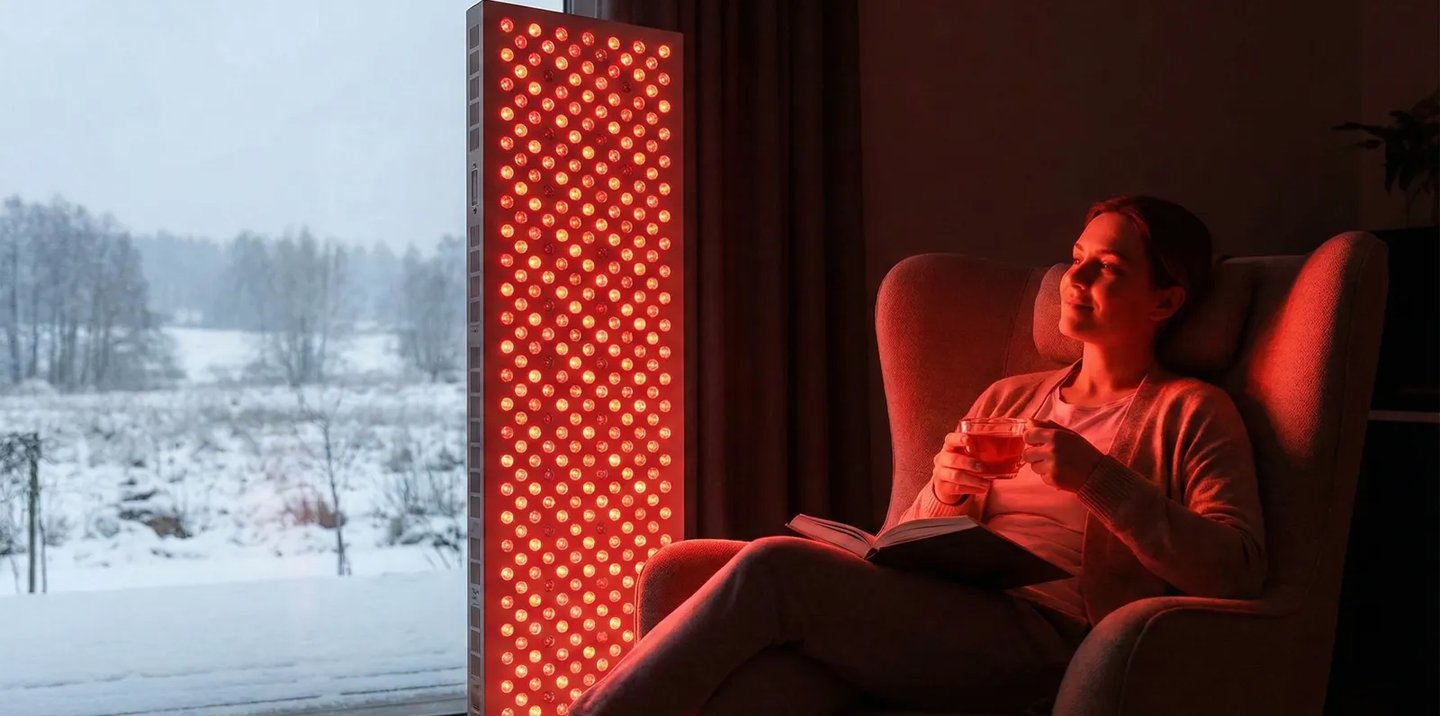
Seasonal Affective Disorder is a mood condition triggered by reduced sunlight during fall and winter. In the United States, around 5% of adults experience SAD annually, while up to 10% face mild seasonal depression (often called the "winter blues").
Common Symptoms Include:
❄️ Low mood and fatigue
❄️ Oversleeping
❄️ Poor concentration
❄️ Increased appetite (carb craving)
❄️ Weight gain
❄️ Loss of interest in daily activities
2. Why Light Therapy Works: The Scientific Mechanisms
Light therapy—also known as bright light therapy—is one of the most recommended non-drug interventions for SAD. It works through several biological pathways:
1) Regulates Melatonin
Low daylight leads to excess melatonin, causing fatigue. A 10,000 lux SAD lamp signals the brain to reduce melatonin, helping users feel more awake.
2) Boosts Serotonin
Light exposure increases serotonin, the “feel-good” neurotransmitter that stabilizes mood and improves focus.
3) Resets Circadian Rhythm
Bright light helps the brain re-establish a healthy sleep-wake cycle, countering the “winter jet lag” many people experience.
4) Red Light Therapy Support
Recent studies show 630nm/660nm Red Light may further enhance emotional stability by improving mitochondrial activity in the brain.
3. How to Use Light Therapy for SAD
How to Choose a SAD Lamp
10,000 lux brightness (Standard therapeutic dose)
UV-free design (Protects eyes and skin)
Adjustable brightness/color temperature
Optional Red Light modes for evening relaxation
20–30 MinDaily Duration
MorningBest Time to Use
12–24 InDistance from Face
4. Who Benefits Most?
✔People with winter low mood/fatigue
✔Residents in Northern US/Canada
✔Remote workers & students
✔Those struggling with morning wakefulness
5. Are There Side Effects?
Light therapy is safe and non-invasive. Minor side effects are rare but can include:
• Mild headache or eye strain
• Temporary sleep schedule adjustments
Tip: Reduce side effects by moving the lamp further away or shortening sessions.
Light therapy is a scientifically proven, user-friendly solution for SAD. Whether using bright white light for energy or red light therapy for calm, consistent exposure can improve mood and overall winter well-being.
It is one of the best wellness tools for winter mental health.
YEEQO
© 2025 YEEQO Health Appliances. All rights reserved.